
Returnee Stories Empowering Iraqi Youth
Putting trustworthy returnees' voices, factual information, and genuine alternatives in front of the people who need them most
For many young people in Federal Iraq, the decision to migrate irregularly is shaped by economic hardship, peer influence, and misinformation from smugglers who promise safe passage and a better life abroad. The Raising Awareness of the Dangers of Irregular Migration project (RADIM) set out to change that conversation. Not by issuing warnings, but by placing trustworthy returnees' voices, factual information, and genuine alternatives in front of the people who needed them most.
The Challenge
Young Iraqis face economic hardship, peer pressure, and a constant flow of smuggler misinformation promising safe passage and prosperity in Europe. Awareness warnings alone are not enough to shift entrenched migration narratives.
Our Approach
RADIM combined returnee-led storytelling, Training of Trainers for educators and religious leaders, the Escape Game methodology in classrooms, one-to-one counselling, and a social media campaign amplified by trusted Iraqi influencers.
Project Details
| Timeline | 22 September 2025 – 1 May 2026 |
| Locations | Baghdad, Basra, Nineveh, Dhi Qar, and Muthanna in Federal Iraq |
| Beneficiaries Reached | 3,655 total participants across five governorates; 12.7M+ individuals reached via social media; 927,000+ influencer views; 1,023 youth engaged through the Escape Game |
"I had already decided to migrate irregularly and was just looking for a sign that it was the right choice. After watching this video, I realised how dangerous the journey truly is."
– Male youth reached through RADIM's influencer campaign, IraqHow the Project Worked
The Power of Community Influence
Delivered across five provinces — Baghdad, Basra, Nineveh, Dhi Qar, and Muthanna — the project reached 3,655 participants in total. Central to the project's approach was building a network of trusted voices to carry the messages deep into communities where migration decisions are made. At the heart of this were returnees, Iraqis who had attempted irregular migration to the UK and Europe and returned home. Five workshops supported 73 returnees to process their experiences and share with others. Of those, twenty-seven went on to speak publicly at community storytelling sessions, offering first-hand accounts of financial loss, physical danger, and personal cost. These were not abstract statistics for the people in the room: 94% of the 651 participants who attended those sessions reported learning something they had not known before.
"Life in exile is far more difficult than expected, home is better."
– Returnee, RADIM storytelling preparation workshop, Iraq"After hearing these stories, I prefer to stay in my country."
– Session participant, RADIM community storytelling event, IraqThese sessions were designed to multiply. Five Training of Trainers workshops equipped 127 educators and religious leaders with the tools to keep the conversation going in their own communities. Supported by a dedicated coaching hotline, 38 leaders went on to independently organise 58 awareness sessions in mosques, schools, youth centres, and colleges, reaching a further 1,380+ individuals. For young people who needed more tailored guidance, 500 one-to-one phone counselling sessions provided a confidential space to work through individual concerns and explore safer alternatives available within Iraq.
The reach of those community sessions extended further than the room. As one religious leader reported back through the project's coaching hotline:
"One of the attendees called his son, who is an undocumented immigrant in Europe, and asked him to return home."
– Religious leader, reported via RADIM coaching hotline, IraqZahra's Story: From Germany to Basra
How returnee community sessions opened opportunities
Zahra, 23 years old, was forcefully returned from Germany to Basra, Iraq, with almost nothing. Her family had sold everything to fund a migration journey that had not paid off. With no home and no income, she faced an uncertain future alone.
Her turning point came at a storytelling session for returnees. She shared her experience openly, and a representative from a local NGO running a returnee employment programme happened to be in the room. He heard her story, recognised her situation, and acted. Within days she had a six-month renewable employment contract. She now had the income and stability to begin rebuilding her life with dignity. She had not come to the session looking for a job. She had come to tell her story. The project had created the conditions for both.
Name has been changed to preserve privacy.
Digital Storytelling at Scale: Returnee Voices and Influencer Partnerships
Beyond face-to-face engagement, RADIM ran a high-impact social media campaign reaching over 12.7 million individuals and generated more than 3.1 million engagements. Throughout the campaign, structured A/B testing was used to determine which messaging approaches resonated most effectively with target audiences. Hope-based storytelling consistently outperformed risk-focused content, achieving a click-through rate of 8%, the share of people who saw the content and clicked on it, compared with 6% for risk-focused posts, a finding that informed messaging and content decisions across pages.
Central to the campaign was a series of six short documentary films called "Heroes at Home" featuring young Iraqi returnees who chose to rebuild their lives at home. Their stories counter smugglers' narratives and demonstrate that it is possible to stay in Iraq and build a successful life. Two influencer partnerships amplified these videos further, generating over 927,000 views among target youth audiences.
Heroes at Home — Documentary Series
This series shares real stories of Iraqi youth who chose to build their futures at home. Through personal journeys of challenge, return, and success, Heroes at Home highlights resilience, opportunity, and informed decision-making. It encourages young Iraqis to explore safe, realistic pathways and recognise the value of building their lives in Iraq.
Influencer Partnerships: Trusted Voices, New Audiences
The RADIM project collaborated with two well-known Iraqi influencers who created relatable content to engage audiences and challenge misconceptions about irregular migration, reaching almost 1 million views.
The campaign partnered with Husam Noaman (81.4K followers) and Ali Saad Kareem (1.1M followers), to deliver relatable, youth-focused content on the risks of irregular migration and safer alternatives. Through short-form videos on Instagram and Facebook, both creators used personal storytelling and culturally relevant messaging to challenge misinformation and highlight real-life migration experiences.
Across both collaborations, content generated almost 1 million views and strong engagement, outperforming standard paid content and demonstrating higher audience trust and relatability. Influencer-led content also expanded reach beyond existing audiences, attracting new viewers, including the Iraqi diaspora in Europe, and significantly boosted campaign visibility.
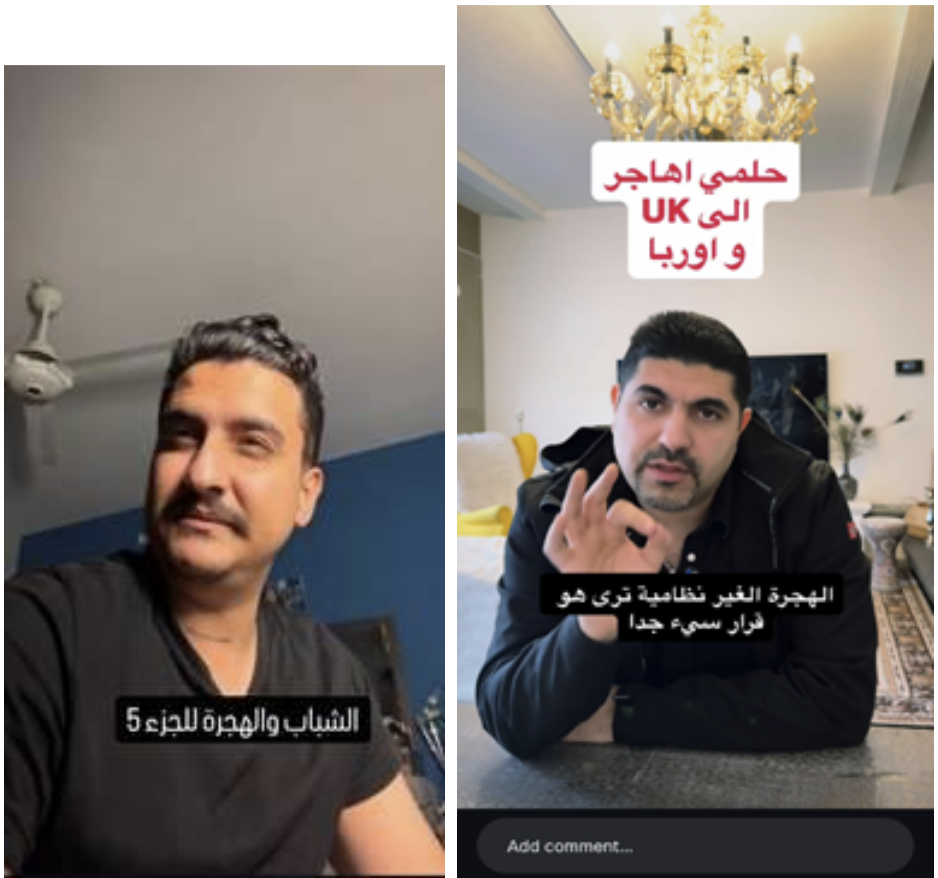
Iraqi influencers partnering with RADIM to deliver culturally relevant, youth-focused content on irregular migration
Selected influencer posts:
- Safer alternatives at home
- Realities of life in the UK
- The truth about the realities of asylum seekers in the UK
- Smugglers, misinformation, and family pressures
Comments from users told their own story:
"This is exactly what happened to my family. We were on a boat with 45 people, and we faced life-threatening danger throughout the entire journey."
– Social media user, The Migrant Project Iraq Facebook pageFrom Community Halls to Online Platforms: Equipping Iraqi Youth and Educators to Navigate Migration Decisions
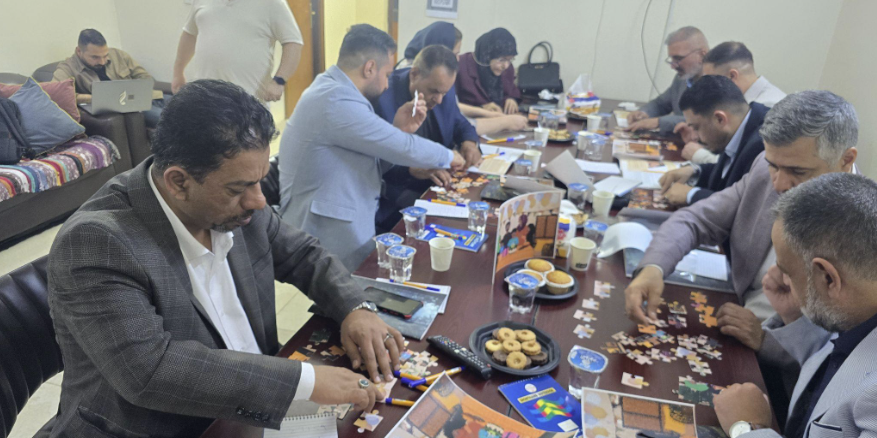
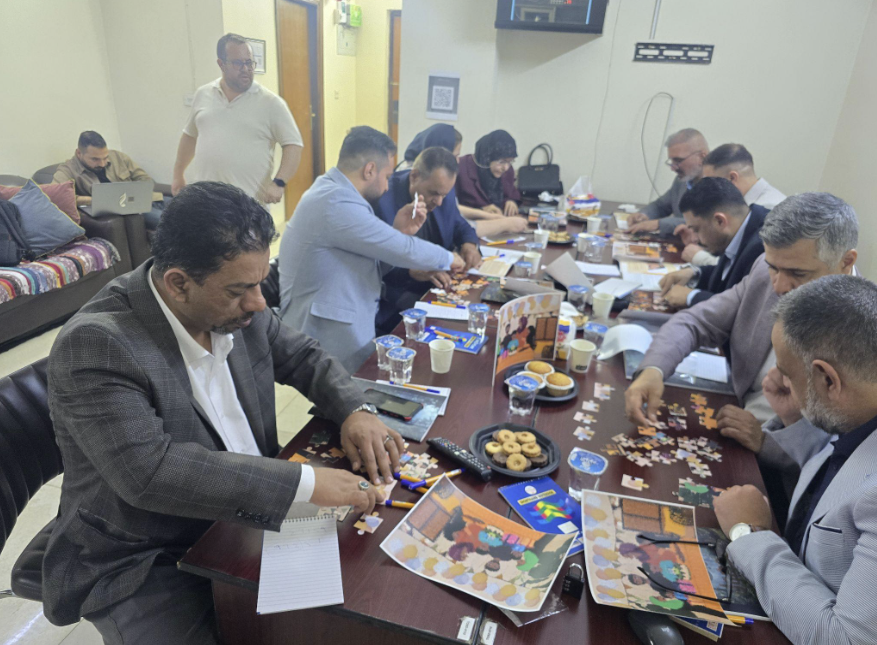
One of RADIM's most distinctive contributions was introducing the Escape Game methodology developed in the NLM project in Morocco, and adapted to Iraq for the first time. Rather than sitting through a lecture, participants work in small teams to navigate real-world migration dilemmas together. They make decisions, weigh consequences, and build genuine empathy through the process.
Delivery was designed to reach young people directly within their communities. Forty sessions were held in venues across all five governorates, with Community Outreach Officers recruiting participants aged 18 to 30, many of them connected to schools and universities. Separately, five Training of Trainers workshops equipped 207 teachers and academics to run the sessions themselves, embedding the methodology within the educator community for the long term. 40 Escape Game sessions were subsequently held reaching 1,023 youth across five governorates.
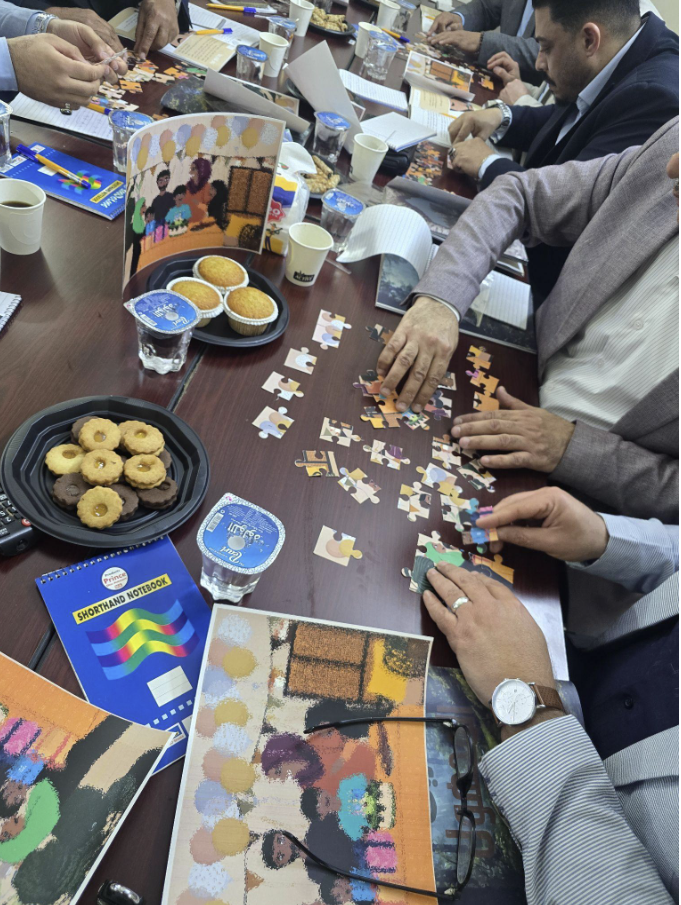
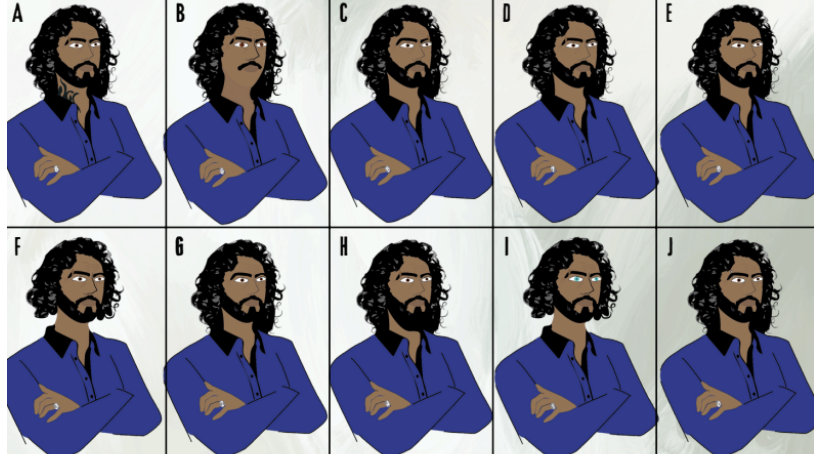
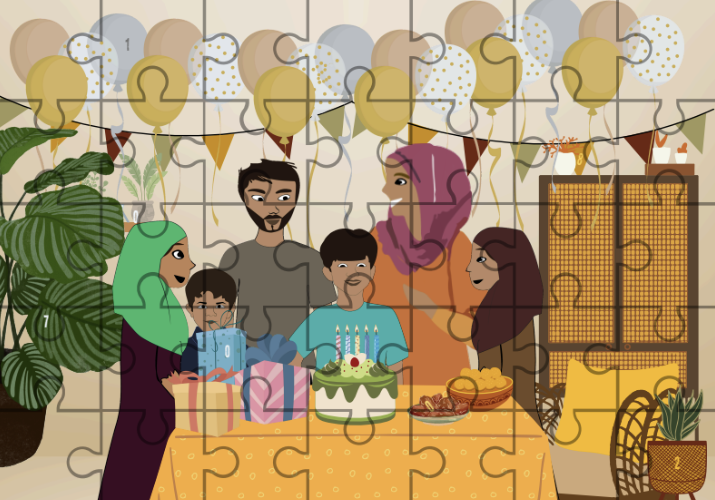
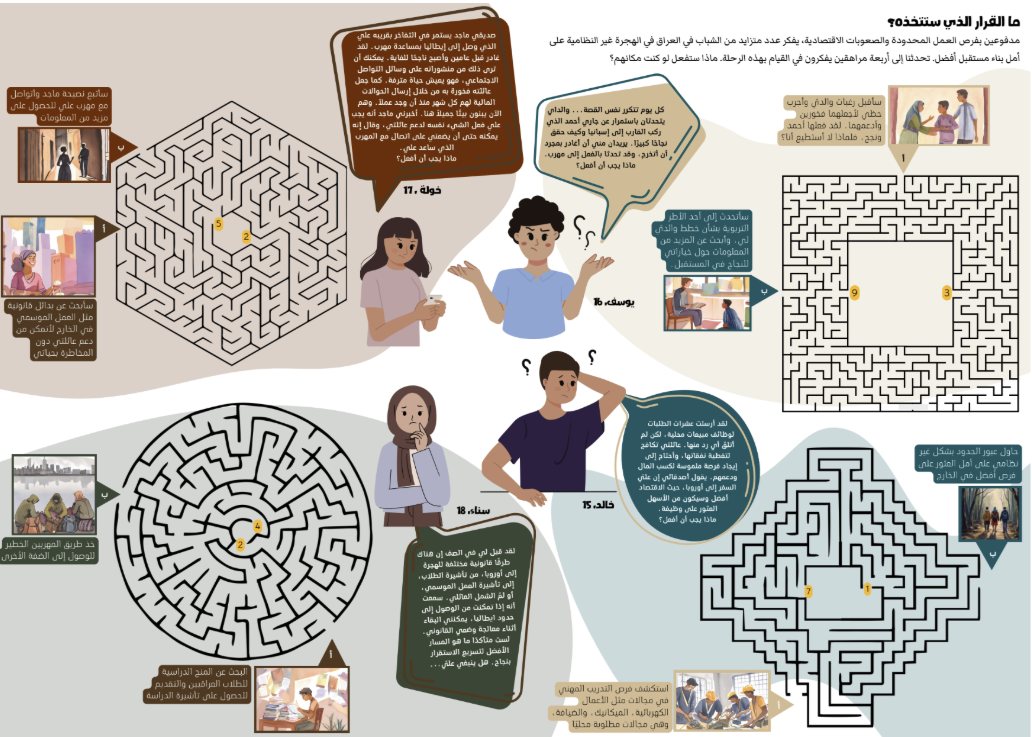
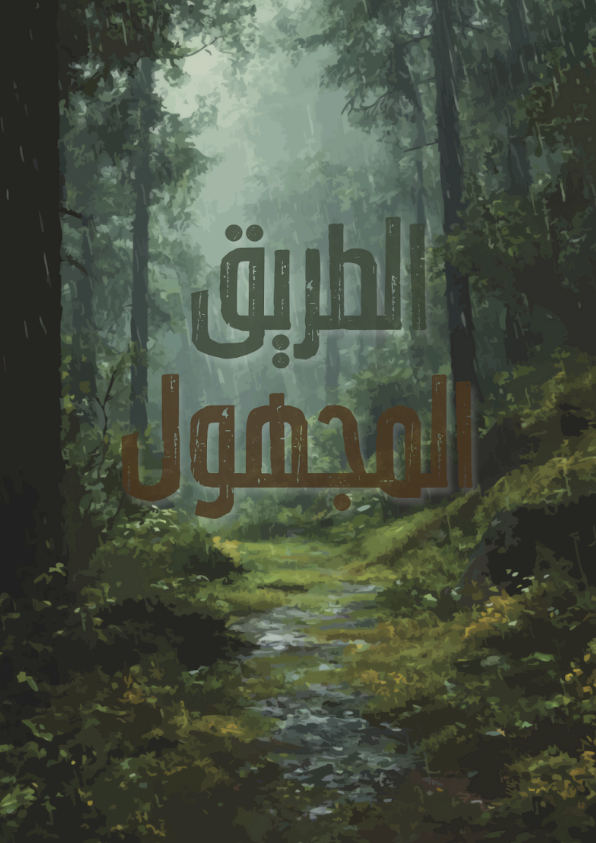
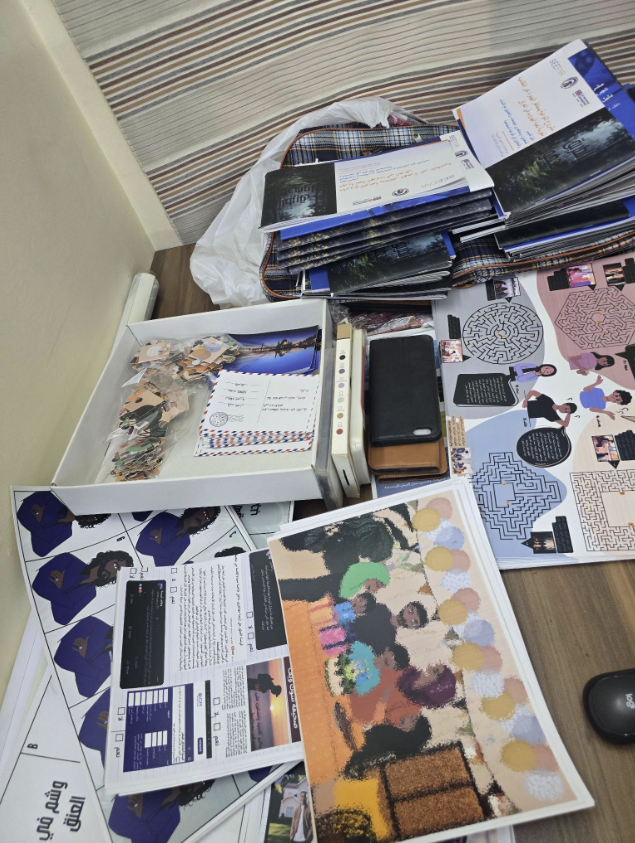
Escape Game sessions across Federal Iraq: character-based storytelling, interactive puzzle boards, scenario activities, and facilitator materials
Seefar Academy: Online Course for Iraqi Educators
To ensure this approach outlasts the project, Seefar developed a fully localised online course designed specifically for educators in Iraq. Available at www.seefaracademy.org, Seefar's e-learning platform, the course gives any educator everything they need to deliver migration awareness education in their own classroom, including practical guidance on running the Escape Game and downloadable materials. There is no in-person training required, and no dependency on project funding. The online course is a resource that works, available whenever an educator needs it. This platform makes this methodology scalable and sustainable.
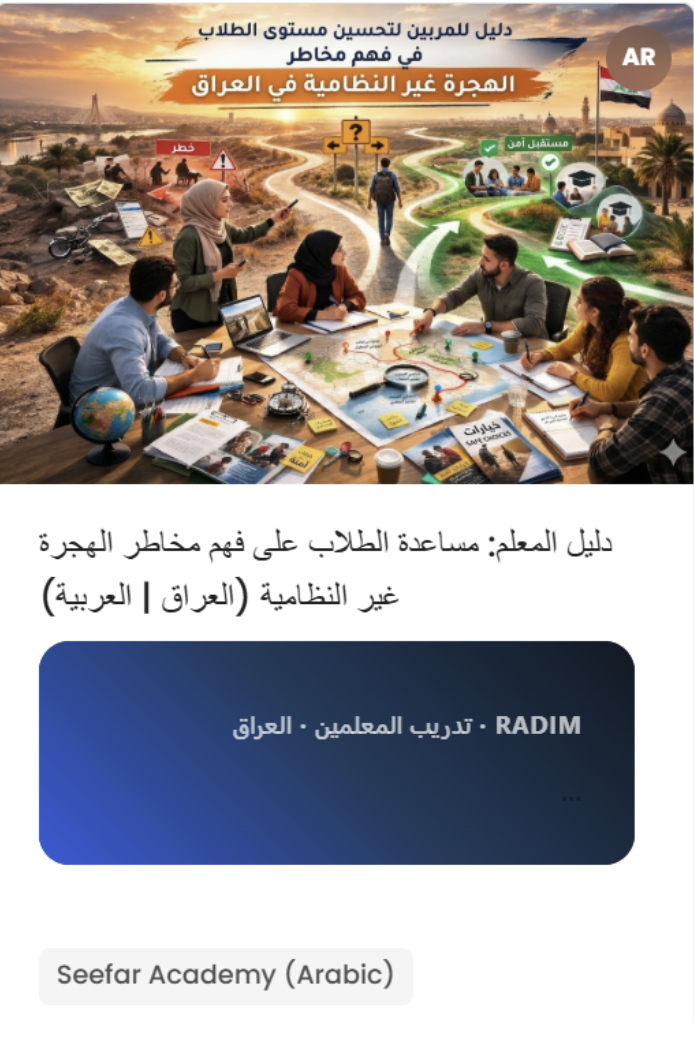
Seefar Academy (Arabic) e-learning platform
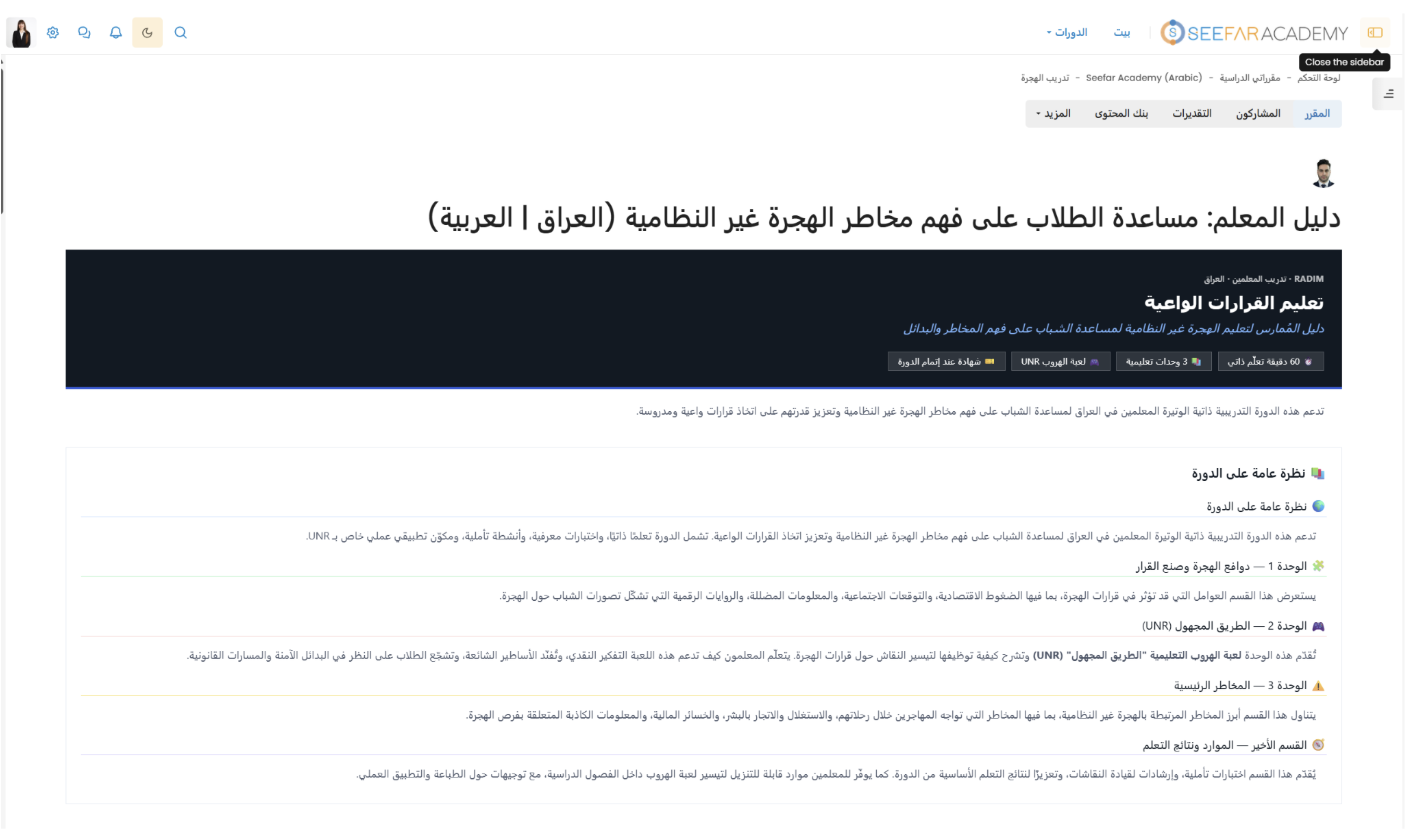
Practical, classroom-based guidance for delivering the Escape Game
Impact Highlights
3,655 total participants reached across five governorates in Federal Iraq
94% of storytelling session participants reported gaining new knowledge about irregular migration
38 community leaders independently organised 58 awareness sessions, reaching 1,380+ additional people
500 young people received personalised one-to-one advisory counselling
12.7 million individuals reached through the social media campaign, exceeding the 10 million target by 27%
1,023 youth engaged through the Escape Game in schools across all five governorates
927,000+ views generated through influencer partnerships
3.1 million engagements generated across the campaign, with hope-based storytelling outperforming risk-focused content
207 teachers and academics trained to run Escape Game sessions independently
A Foundation for What Comes Next
Across five governorates, a network of trained educators, religious leaders, and returnees is now carrying migration awareness into communities independently, not as an extension of project activity, but as a continuation of their own. The 38 community leaders who independently organised 58 sessions after their training, reaching 1,380+ additional people, are evidence that this approach transfers.
The digital findings are equally instructive: hope-based storytelling outperformed risk-focused content throughout the campaign that reached 12.7 million people, and influencer partnerships amplified that reach further. These insights can directly inform future migration awareness campaigns in Iraq and similar contexts where smuggler narratives dominate. RADIM has shown that the right information, delivered through credible voices, sustains itself and genuinely changes how people think about migration.