
Afghanistan Livelihoods Hub: Building Safer Futures for Afghans and Iranians in Transit and at Home
A dual response to reintegration and risk
From October 2022 to March 2024, Seefar in collaboration with Farsight Global implemented the second phase of the Afghanistan Livelihoods Hub – a strategic intervention that addressed both the needs of returnees in Afghanistan and the vulnerabilities of Afghan and Iranian youth migrating irregularly through Turkey.
Building on the success of its 2021–2022 pilot, the Hub's second phase combined two strategic components: the LIFT Programme in Kabul, and a migration consultation campaign targeting transit migrants in Turkey. Together, these efforts reached hundreds of at-risk individuals with timely support, new skills, and restored hope.
The Challenge
Afghan and Iranian youth face compounding vulnerabilities – displacement, economic hardship, and the lure of dangerous irregular migration routes through Turkey to Europe, often with little information about the risks involved.
Our Approach
Seefar deployed two complementary strategies: individualised migration counselling for men in transit through Turkey, and a gender-sensitive livelihoods and skills programme for returnees in Kabul, including women barred from formal education.
Project Details
| Timeline | October 2022 – March 2024 |
| Countries | Afghanistan (Kabul) and Türkiye (transit communities) |
| Target Audience | Afghan and Iranian young adults (ages 18–34), returnees, and potential migrants |
| Beneficiaries Reached | 602 Afghan and Iranian men received individualised migration consultations, and 258 enrolled in the LIFT programme (232 completed), including 133 women and 125 men |
How the Programme Worked
Responding to Migration in Transit
The migration consultation component reached over 600 Afghan and Iranian young men (ages 18–34) who were in transit through Turkey and considering irregular migration to Europe. Outreach was driven through social media campaigns in Farsi and Pashto, which not only provided critical information about migration risks and legal alternatives but also funnelled high-priority individuals into 1:1 consultations.
These consultations went beyond providing facts. Counsellors tailored each session to the individual's circumstances and, where necessary, integrated psychosocial support into the conversation. Follow-up calls were conducted a week later to support next steps and offer continued guidance.
Many consultees credited these conversations with profoundly changing their perspective. Most notably, 67% of beneficiaries had abandoned their irregular migration plans when contacted months later, and over 93% had taken proactive steps toward legal pathways.
"One beneficiary was about to take a perilous migration journey. I persuaded him to stay, and tragically, his friends who went didn't survive. He later thanked me, sharing his parents' blessings for saving his life."
– Nabil, Counsellor in AfghanistanBuilding Confidence and Livelihoods Opportunities in Kabul
In Kabul, 258 beneficiaries enrolled in the LIFT programme – 125 men and 133 women, including many returnees. Due to the Taliban's restrictions on female education, the programme used a gender-sensitive design, with men attending in person and women joining remotely from home. Both groups followed the same curriculum and received psychosocial support, digital skills training, and career preparation.
Women's participation in the programme, though delivered online, was highly impactful. Female learners displayed strong knowledge growth, especially in resilience-building modules such as Confidence in Action (CAT), which many identified as life-changing.
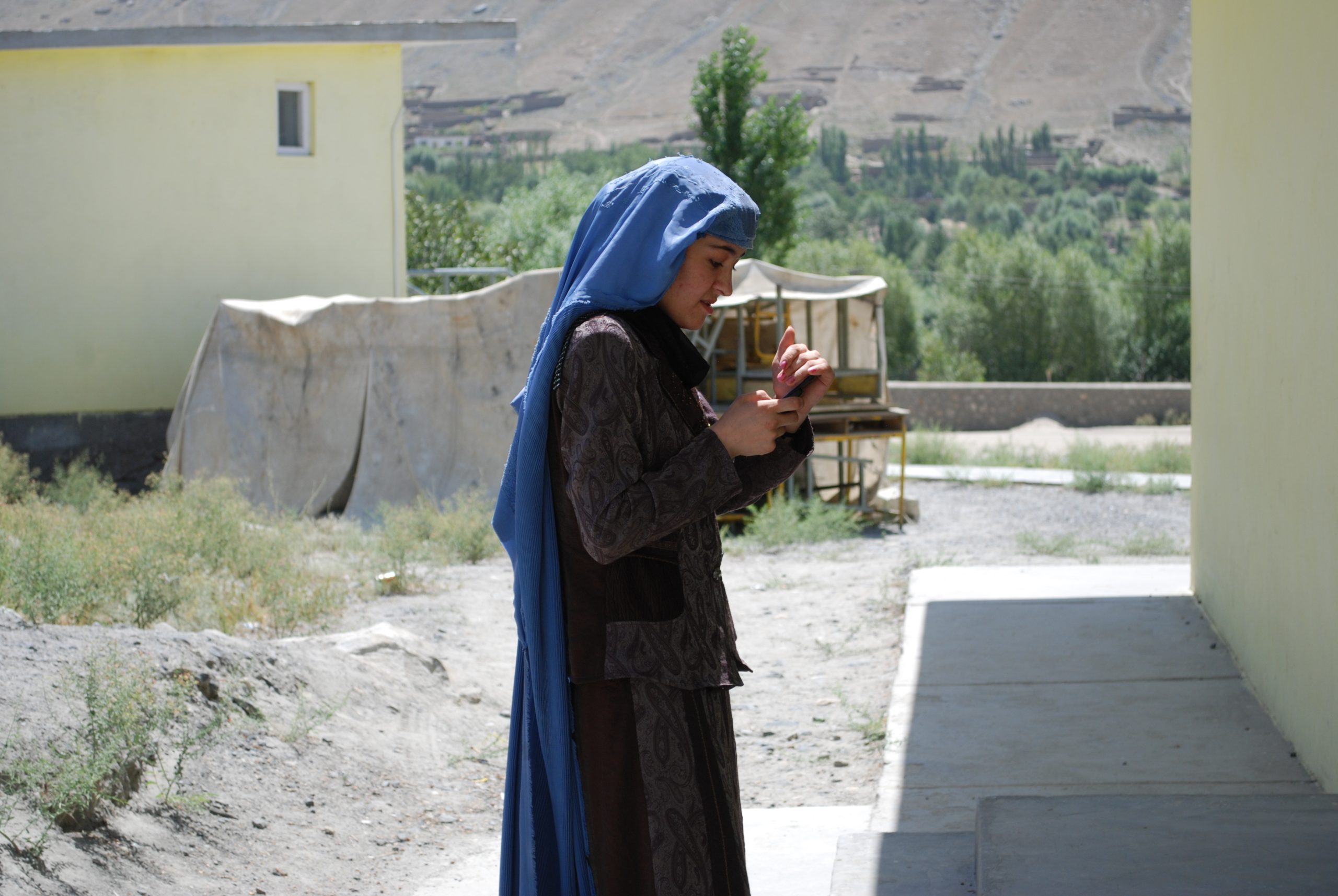
Afghanistan Livelihoods Hub participant, Kabul, Afghanistan
Graduates left the programme with a renewed sense of agency. Within three months, the share of graduates reporting an income rose from 6% to over 41%, with several starting businesses or securing formal employment. Psychosocial resilience also improved markedly, with the prevalence of stress-related symptoms dropping by more than two-thirds post-graduation.
Many participants reported that they were no longer planning to migrate or felt more able to stay and build a future in Afghanistan. This was particularly true for men, whose perceptions of their ability to remain in-country shifted significantly over the course of the programme.
"My confidence began to grow, and hope was rekindled within me. Now I have a job, a goal, and a reason to stay."
– Frozan, Female GraduateStories of Resilience and Women Empowerment
The Hub's greatest impact was perhaps seen in its female participants, many of whom had been forced to abandon their education or careers due to Taliban restrictions. Their stories speak volumes.
Frozan, a 26-year-old former midwifery student, had her education and career interrupted when the Taliban returned to power. She faced depression and uncertainty, until she found the LIFT programme online. Through tailored mentorship, skills-building, and renewed confidence, she learnt how to craft a strong CV and eventually landed a position as a third-party monitor for a WFP-funded NGO project in Kabul.
Zahra, a 24-year-old former medical student, enrolled in LIFT after being expelled from university. With new skills and renewed purpose, she now works as a programme assistant at Search for Common Ground. Layla, who had to abandon her English literature studies, rebuilt her confidence through the programme and secured a job as an HR assistant at PHL Limited.
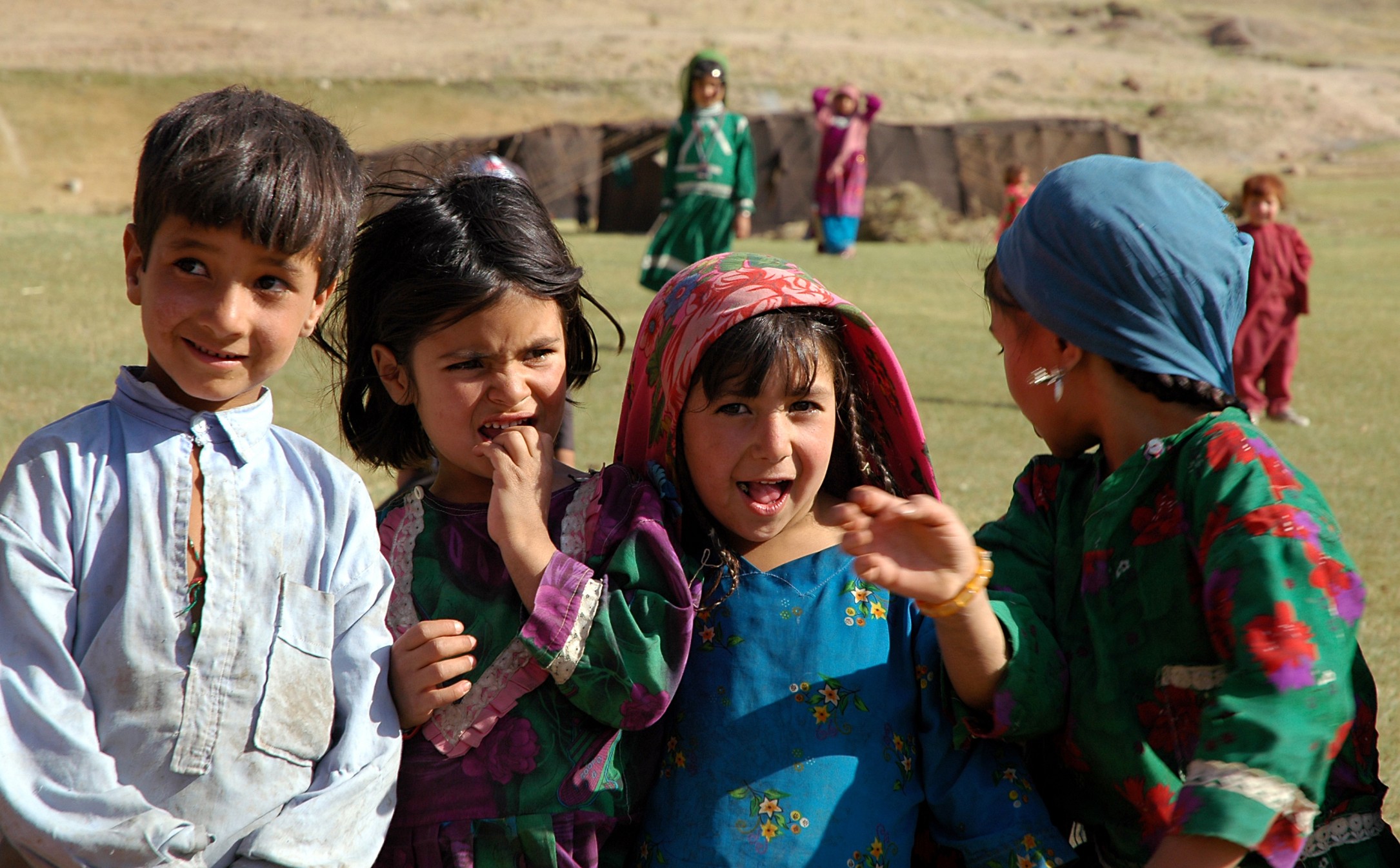
Community impact of the Afghanistan Livelihoods Hub, Kabul, Afghanistan
These stories reflect the Hub's success not only in developing skills, but in restoring hope, confidence, and independence in some of the country's most marginalised voices.
"It has been an incredible and rewarding journey working with Seefar, first as a Migrant Counsellor and later as a Team Lead. Coming from a migrant background myself, I deeply understand the importance of providing authentic information and psychosocial support to people on the move."
– Shadab Qane, former Seefar Team Lead, AfghanistanBy the Time of Graduation
of participants showed sustained psychological resilience
reported new employment, and 42% reported increased income
of women actively worked to improve their financial situation
felt they could stay and live in Afghanistan, vs 24% at enrollment
Key Achievements
602 young Afghan and Iranian men received personalised migration consultations
67% of consultees abandoned irregular migration plans within 3–6 months
93% took proactive steps toward legal migration options
100% of those who changed course credited the counsellor's influence
770,000+ people reached through Facebook ads in Farsi and Pashto
258 enrolled in LIFT, with 232 graduates (89.9% completion rate)
41.4% of graduates gained income within 3 months (up from 6%)
86% of graduates showed improved psychosocial resilience
IT course scores increased by up to 81%, with strong results across all modules
Learning and Looking Forward
The Afghanistan Livelihoods Hub demonstrated that targeted, trauma-informed support can achieve meaningful outcomes even in the most constrained environments. By combining migration counselling with livelihoods programming, the Hub addressed both the immediate pull of irregular migration and the deeper need for economic stability and psychological resilience.
The gender-sensitive design of the LIFT programme proved essential. Remote delivery enabled women barred from education to participate fully and achieve outcomes comparable to their male peers. The programme confirmed that digital delivery, when paired with strong psychosocial support, can reach and empower even the most marginalised populations.
Future programming should prioritise longer engagement timelines, expanded referral networks, and stronger links to formal employment and certification pathways to sustain and deepen the impact.