
Migration Awareness and Change for Moroccan Youth
An integrated, multi-channel model proving that informed migration decisions can be made at scale
Across Morocco, hundreds of thousands of young people are drawn each year towards irregular migration (known locally as “harraga”) lured by social media images of success abroad and pushed by youth unemployment rates hovering above 35%.
Between December 2023 and December 2025, the Reducing Investment in Irregular Migration among Young Moroccans (NLM) project set out to prove that a smarter, integrated approach could do what mass messaging cannot: change what young Moroccans believe, what they discuss at home, and the migration choices they make.
The Challenge
Moroccan youth face strong migration pressures driven by unemployment above 35%, social media portrayals of life abroad, and limited awareness of safe, local alternatives. Mass messaging alone has consistently failed to shift these dynamics.
Our Approach
NLM combined four mutually reinforcing components: a national social media campaign, confidential one-to-one consultations, school-based educational outreach using the Turning Tides escape game, and a young filmmakers grant programme.
Project Details
| Timeline | December 2023 – December 2025 |
| Locations | Morocco (nationwide; focus on the Northern region for educational outreach) |
| Beneficiaries Reached | 25,160+ students reached through educational outreach; 4,380+ consultation participants; 7M+ people reached via social media; 2.3B+ engagements across platforms |
Watch: Informed Migration Decisions Among Moroccan Youth and Families
The five-minute NLM project film, produced under The Migrant Project Morocco
How the Project Worked
An Integrated Model Built on Mutually Reinforcing Components
The project combined four mutually reinforcing components: a national social media campaign, confidential one-to-one consultations with youth and parents, educational outreach in secondary schools, and a young filmmakers grant programme. The campaign was delivered under The Migrant Project (TMP), Seefar's flagship brand for migration awareness campaigns, active across multiple countries and trusted by the communities it serves. TMP's consistent, independent branding is central to its credibility with young people and families navigating migration decisions.
None of these components were designed to work alone. The social media campaign drove demand for consultations; consultations seeded conversations within families; schools created structured spaces for reflection; and locally produced short films gave the whole campaign emotional and cultural resonance. Together, they reached over 7 million people nationwide.
"One student confided he had already attempted the crossing several times. After the workshop, he realised irregular migration is not worth risking his life, and he came out determined to pursue other goals."
– Reflection from a teacher following an educational outreach session, northern MoroccoAn Immersive Game That Promotes Informed Migration Decisions
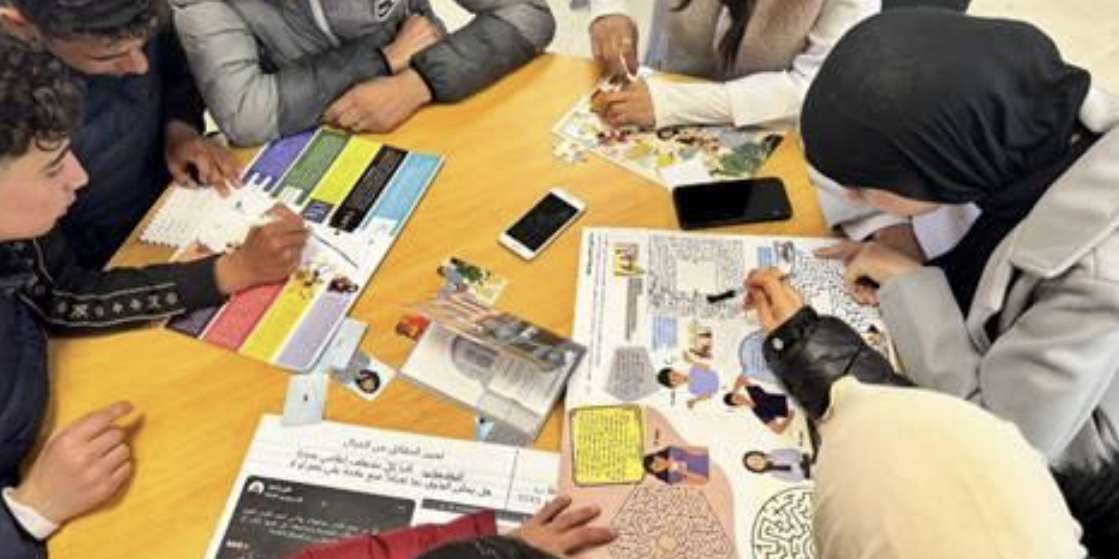
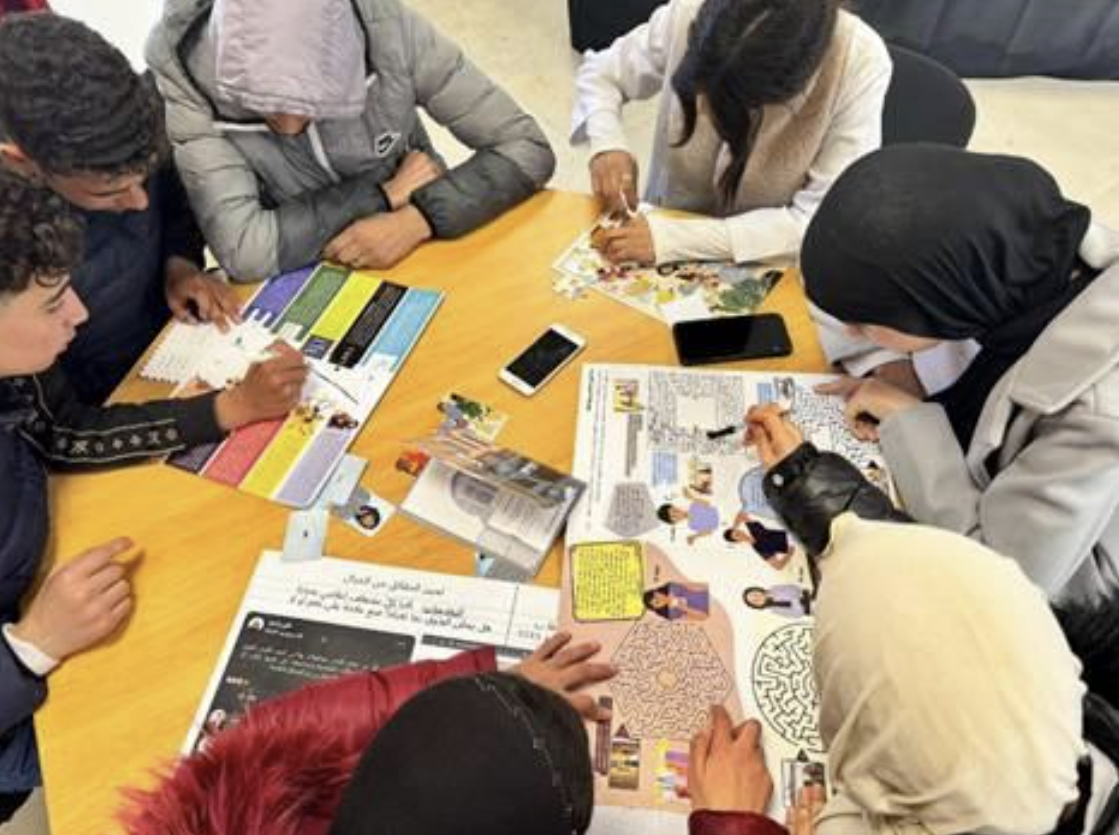
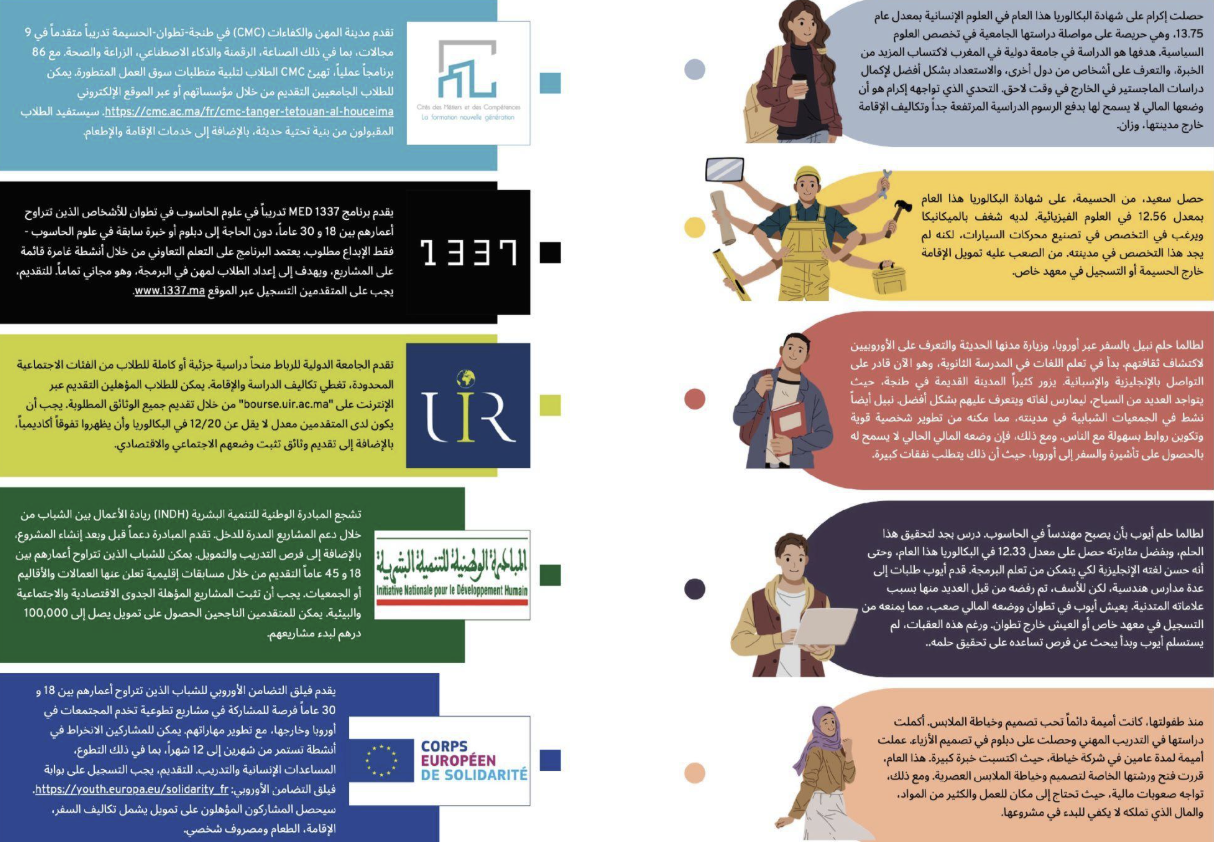
At the heart of the educational outreach was an innovation that would define the project: Turning Tides, an interactive escape game designed specifically for Moroccan students aged 13 to 18. Rather than delivering lectures about migration risks, the game placed students in teams, navigating real-world dilemmas such as identifying smuggler risks, decoding misinformation, and choosing between dangerous crossings and local opportunities. A series of five consecutive activities fostered empathy and critical thinking, each addressed through a distinct puzzle.
The results were significant. Before a session, fewer than two in five students could accurately describe the risks of an irregular crossing. By the end, nearly two in three could, and awareness of what an irregular journey means for the families left behind rose from just over half of students to more than nine in ten. Most compellingly: among students who believed irregular migration was their best option, 98.4% had changed their position by the end of the session.
Students engaging with the Turning Tides game during an educational outreach session
"I never thought that failing there could be worse than staying here."
– Student attending an educational outreach session, Fahs-Anjra region"Before this session, I thought that leaving without papers was my only option. Now I know that there are training courses and scholarships available. I feel better prepared to build a future here or abroad, but legally and safely."
– Student attending an educational outreach session, Tanger-Assila RegionTurning Tides also proved to be a powerful multiplier. The programme trained 554 teachers across 283 schools in Northern Morocco, who then went on to independently deliver sessions to 25,163 students, exceeding the project target. So effective was the Turning Tides methodology that it was adapted and expanded to the southern region of Morocco, as well as in Senegal, Kenya, and Nigeria in the SAFE-MIT project, and in Iraq through the RADIM project.
Teachers, months after their training, continued to deliver sessions independently: 87% reported motivation to keep going beyond the project's end, and 93% expressed support for formally integrating migration education into the school curriculum.
One-to-One Consultations That Shifted Perceptions and Ignited Wider Community Conversations
The consultation component delivered 4,380+ confidential one-to-one remote sessions: 3,493 with youth aged 16 to 20, and 887 with parents of teenagers. The young people who came forward were already under acute migration pressure: the overwhelming majority reported a strong interest in migration, and nearly half were actively considering an irregular crossing.
The consultations worked. Of every ten participants who received a session, more than nine left with a substantially improved understanding of what an irregular crossing actually involves: the physical danger, the financial cost, and the reality of living irregularly in Europe once you arrive. Crucially, the impact did not stay in the room: almost all participants went on to discuss what they had learned with someone in their family or peer network, far exceeding the project's original target of 35%. At a follow-up six to nine months later, one in four parents reported that their child was no longer considering irregular migration at all.
"Before attending the workshop and speaking with Kenza [the counsellor], I was struggling with my teenage son. He spent all his time on TikTok, dreaming about leaving Morocco through irregular migration. After the personal call with Kenza, everything changed. He decided to stop thinking about irregular migration, deleted his TikTok account, and now he's focusing on school."
– Mother who received a consultation"This consultation benefited my whole family. As a father who has been to Europe twice, I know the reality, it's far harder than young people imagine. The counsellor gave me valuable resources and alternatives to share with my children. One of them is now about to begin vocational training in Morocco, and I believe this will open real opportunities for his future."
– Father who received a consultationVoices from the Field
Maryam, Youth Consultee
Maryam grew up where irregular migration felt like the only path forward. In this interview, she speaks candidly about what brought her to Le Projet Migrant Maroc's counselling service, and what changed after. Not just her plans, but her mindset. Where she once saw a single, dangerous exit, she now sees training, scholarships, and legal routes abroad.
Kenza, Counsellor
What does it take to change a young person's mind about irregular migration, one conversation at a time? Kenza Sammoudi, youth and parent counsellor, reflects on what drives young people to risk their lives at sea, the power of trust-building, and the stories she won't forget, including a mother losing her son to TikTok-fuelled migration dreams, and a young man who nearly drowned before choosing to build his future in Morocco.
Reaching Millions Through Trusted Digital Messengers
The social media campaign reached over 7 million individuals nationwide and generated more than 2.3 billion engagements across platforms.
The campaign's most significant finding was the power of trusted influencers. When youth influencer Brahimologia, who grew up in northern Morocco and commands over 1.4 million Instagram followers, promoted the short films series, thousands of followers were drawn to watch them online. When part of his video was repurposed to promote the consultation service through Meta ads, the cost per youth sign-up fell to EUR 0.12, down from EUR 6 with conventional advertising. His content alone accounted for approximately 95% of all youth consultation sign-ups, sustaining demand for months without ad fatigue.
Brahimologia, Influencer
Brahimologia is one of Morocco's most recognised digital creators, and one who knows the pull of irregular migration first-hand. In this interview, he reflects on the responsibility that comes with influence, why creators reach young people where formal media cannot, and what happens when unregulated platforms flood teenagers with a distorted image of life abroad.
Young Filmmakers Grant: Local Voices, Local Stories
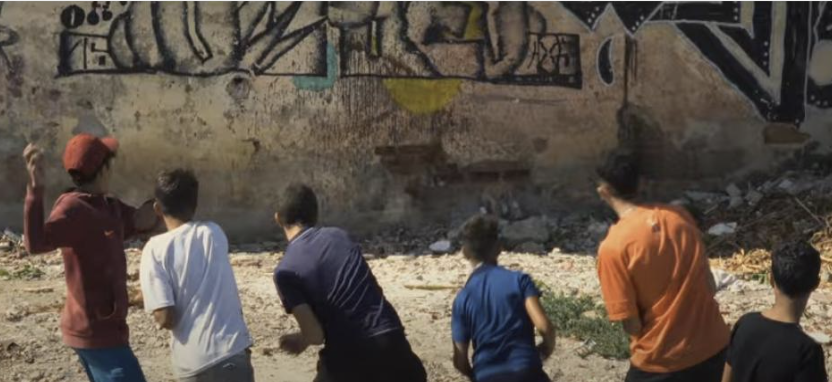
Six emerging Moroccan filmmakers received grants to produce short films exploring migration through their own lens. The films, watched 2.3 million times online, gave the wider campaign cultural and emotional resonance that no external messaging could replicate.
14 Kilo
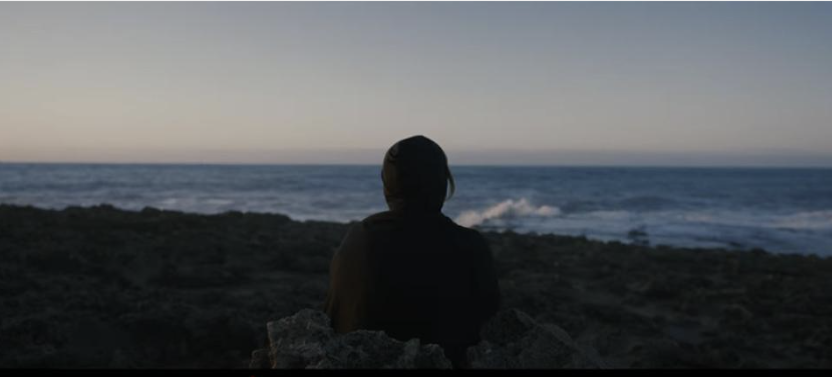
Outside

Same as the Birds
Takes viewers through the dangerous paths of young Moroccans attempting to irregularly migrate by sea. Through real testimonies, the film explores the socio-economic forces driving departure and the tragic consequences many face, while advocating for local development as a viable alternative.
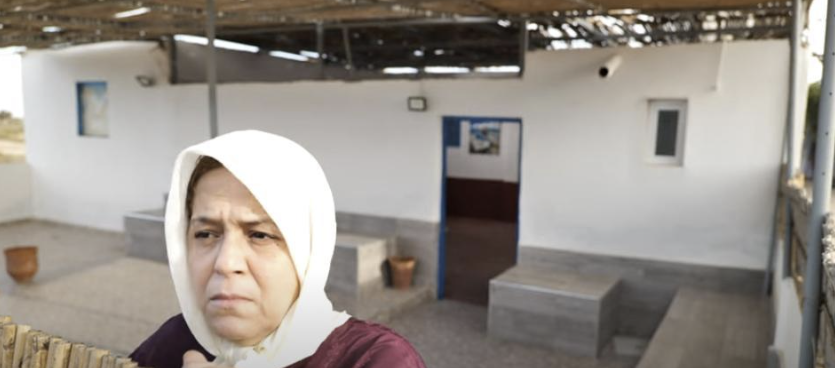
Dreams of Paper
Redouan dreams of irregular migration, while his mother, Awatif, hopes he will follow in his late father's footsteps. Despite her efforts, he finds himself trapped in a smuggling network that exploits him before abandoning him. The mother's broken dreams are realised through drawings and photos scattered on the beaches of Al Hoceima.
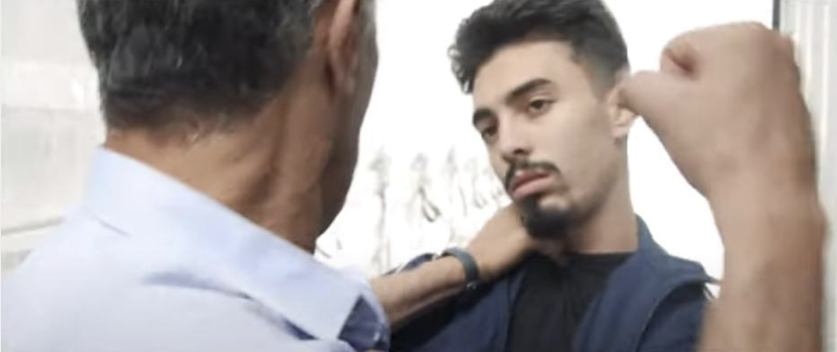
Murad's Dream
Mourad, a 19-year-old, dreams of migrating from Morocco to Europe to improve his family's situation. Despite his mother's illness and pleas, his quest leads him down dangerous paths, ending tragically with his disappearance while crossing a river. The film tackles desperation, familial duty, and the high cost of migration.
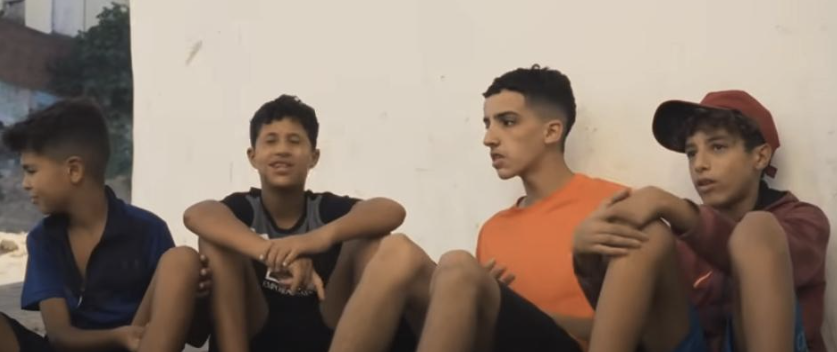
Scrap
In a marginalised neighbourhood, Noah, a 17-year-old orphan, collects scrap metal to survive but aspires to more. His former friend Reda dreams of irregular migration. Their paths cross again when Reda steals Noah's computer, a crucial tool for applying for a local project grant. As tensions rise, the story highlights the struggle between choosing a better future locally or seeking it abroad through risky migration.
Key Achievements
25,163 students reached through educational outreach, 68% above target
98% of students who initially favoured irregular migration changed their position after a single session
554 teachers trained; 87% motivated to continue sessions beyond the project's end
4,380 consultations delivered; nearly all participants improved their understanding of migration risks
2.3 million short film views, nearly 20 times the 120,000 target
2.3 billion social media engagements; 7 million+ individuals reached nationwide
EUR 0.12 cost per youth consultation lead via influencer, a 98% reduction on conventional advertising
Almost all consultation participants discussed migration risks with family or peers (target was 35%)
Looking Ahead
NLM Morocco demonstrates that behaviour change is achievable, not through warnings, but through trusted messengers, culturally grounded tools, and integrated design that meets young people where they already are: in classrooms, on social media, and within their families.
Three lessons stand out. Local creative talent and local voices are not a supplement to campaign strategy, they are the strategy. The teacher multiplier model offers a cost-effective route to scale that conventional outreach cannot match. And integration is what generates lasting change: it is the combination of educational outreach, counselling, digital campaigning, and community-rooted cultural engagement that produces genuine shifts in intention and behaviour at scale.
The Turning Tides escape game has proven its effectiveness so compellingly that it has been adapted and expanded into other countries and projects (see SAFE-MIT and RADIM). As Morocco's migration pressures intensify, the evidence from this project offers a clear, replicable model for what works.